Building in Pollinator Support
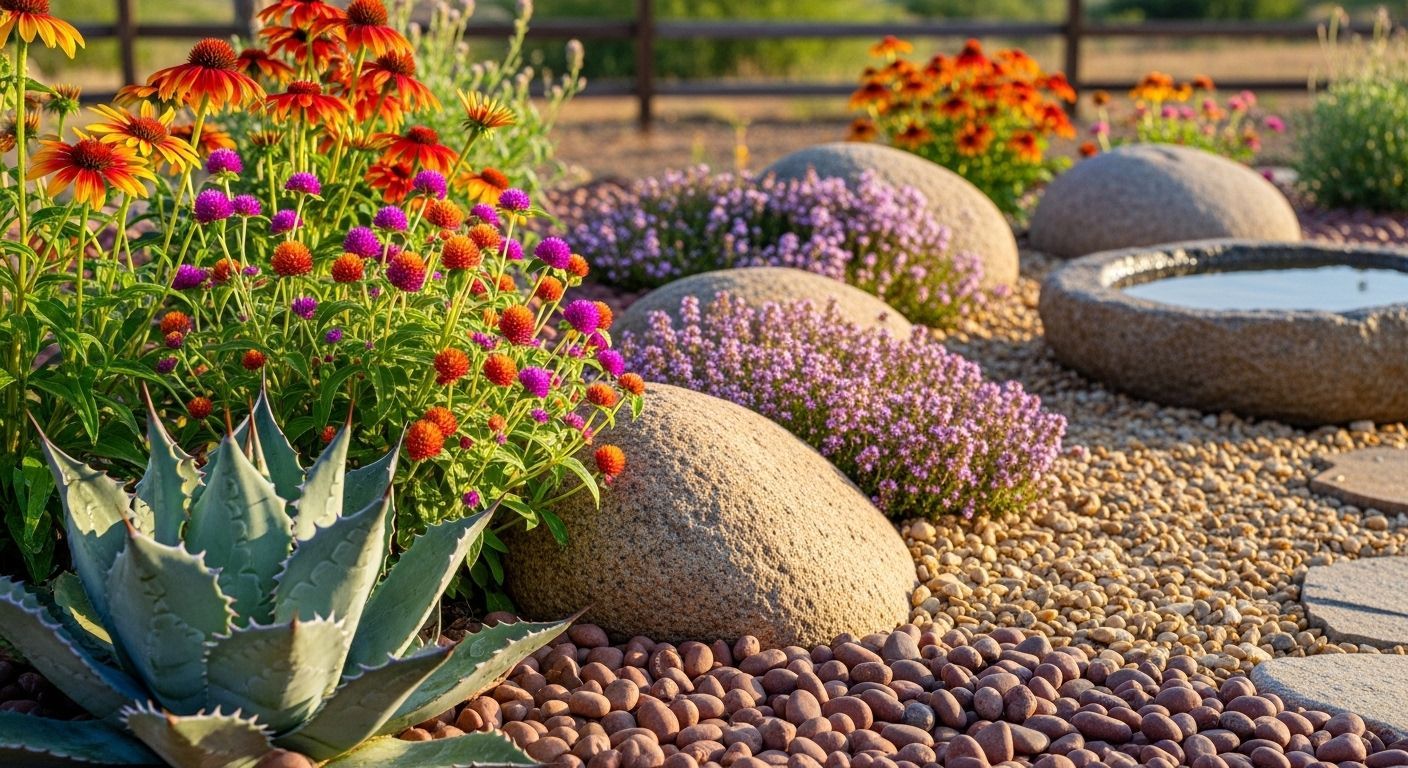
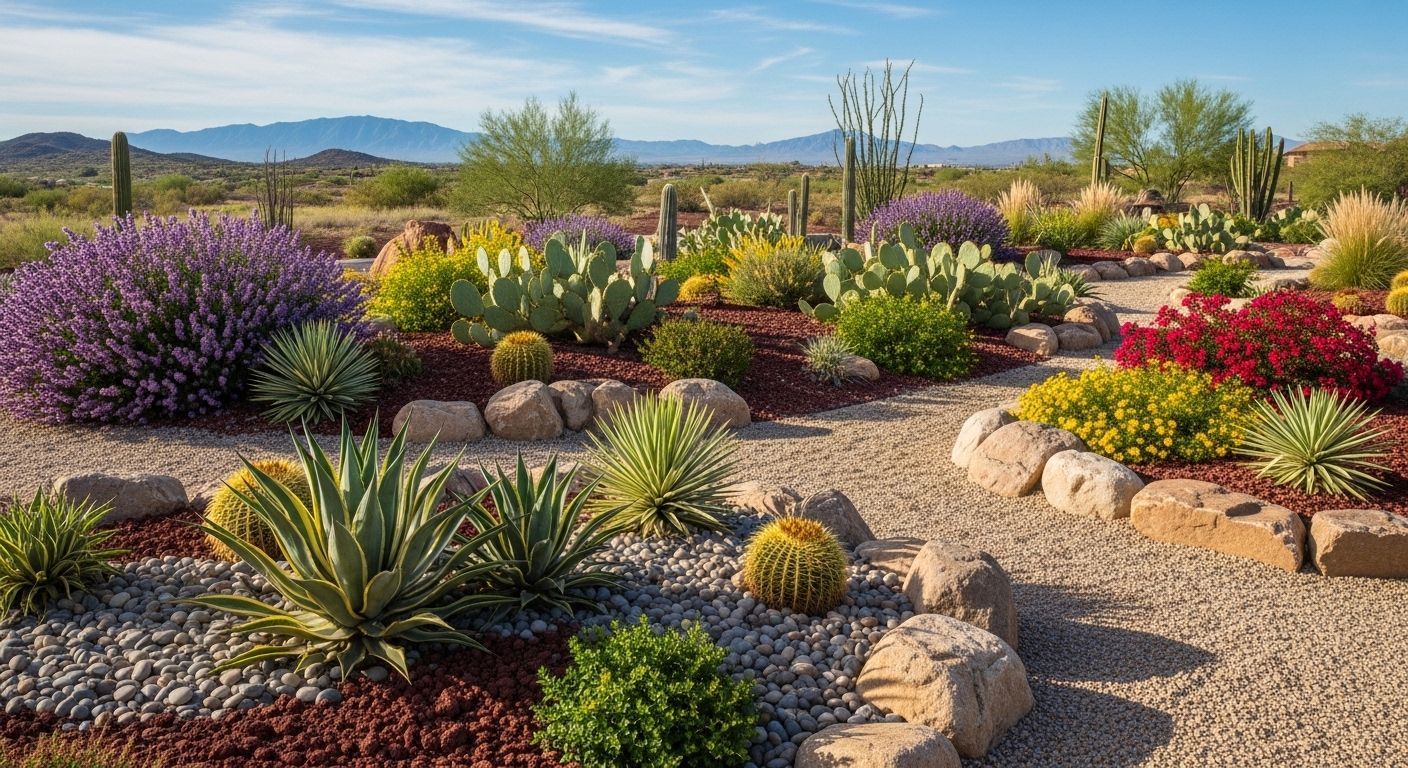
Drought tolerant does not mean lifeless. Many of the most resilient native and adapted landscape plants are also some of the best pollinator plants available, offering nectar and habitat for bees, butterflies, and other beneficial insects. We often design borders specifically with pollinator support in mind, choosing succession blooming perennials so there is consistently something flowering from spring through fall. This approach turns a simple border into a functioning piece of the local ecosystem rather than just a decorative edge.
Research from the Xerces Society and multiple university extension programs has found that native plantings can reduce the need for fertilizer and pesticide applications by up to 60 percent once established, since these species have evolved alongside local pollinators and soil organisms over time. That means healthier plants, fewer chemical inputs, and more consistent support for the pollinators your garden and the broader neighborhood depend on.
The Water Savings Add Up
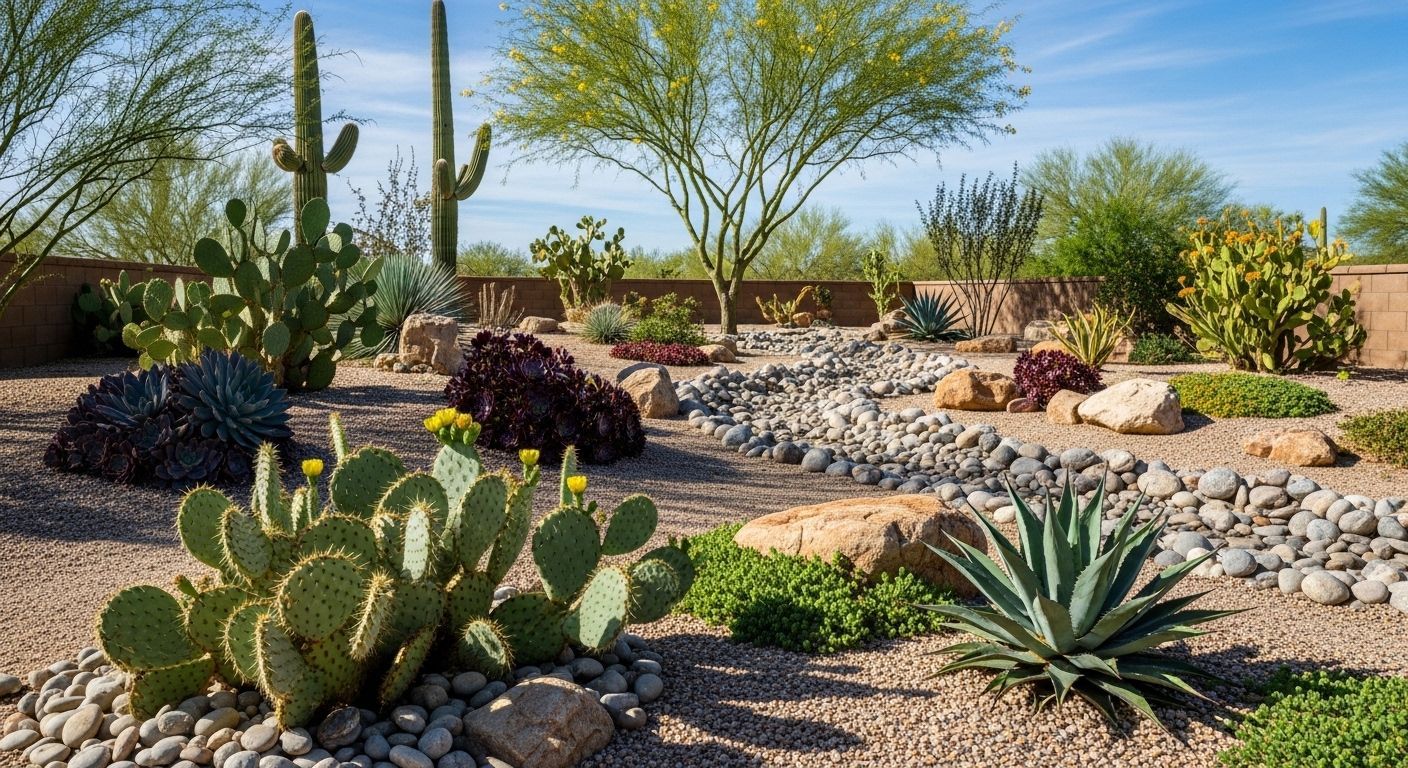
The biggest practical benefit of drought tolerant design is reduced water use, and the numbers back that up. According to the U.S. Environmental Protection Agency's WaterSense program, landscapes built with region appropriate, water efficient plantings can use 20 to 50 percent less water than conventional turf heavy designs. For a bed or border specifically, that reduction is often even more pronounced once plants are established and root systems mature enough to access moisture deeper in the soil.
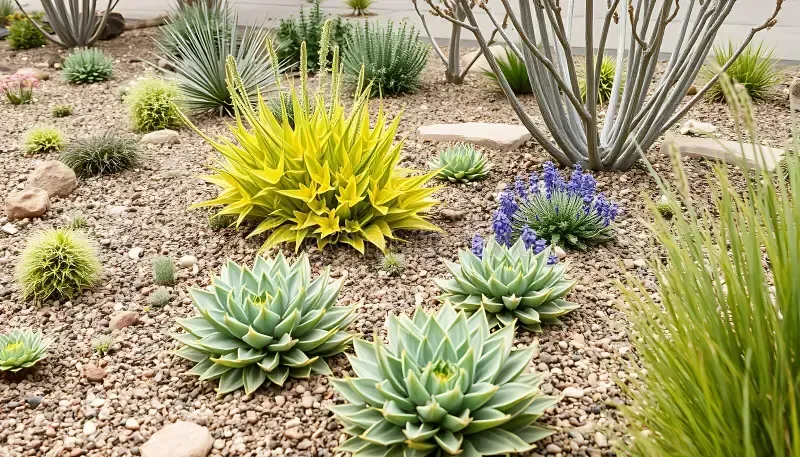
We also guide clients on ongoing care, including what perennials should not be fertilized heavily and when established plants genuinely benefit from feeding. Overfertilizing is one of the most common reasons drought tolerant plantings underperform, since many of these species are adapted to lean, well drained soil rather than rich, heavily amended beds.
Borders That Hold Their Shape
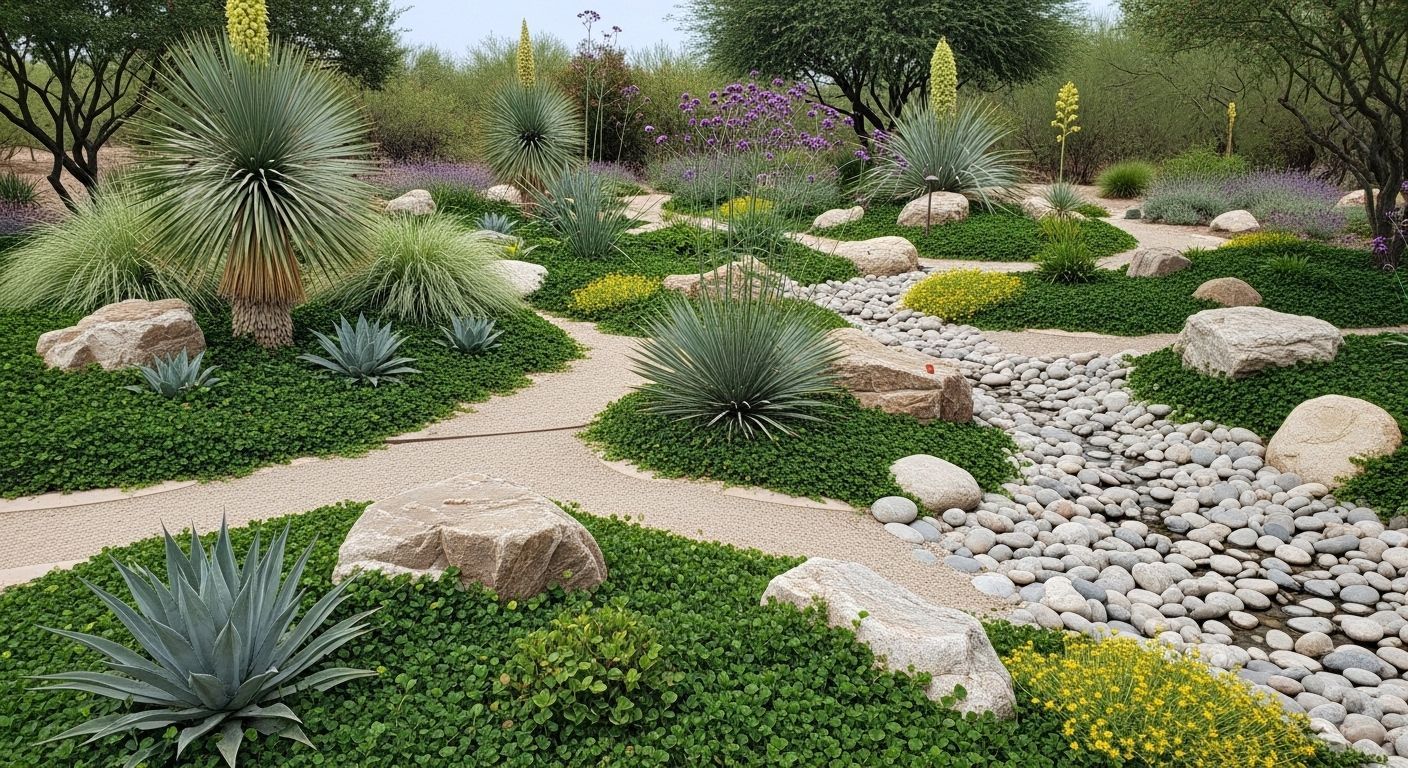
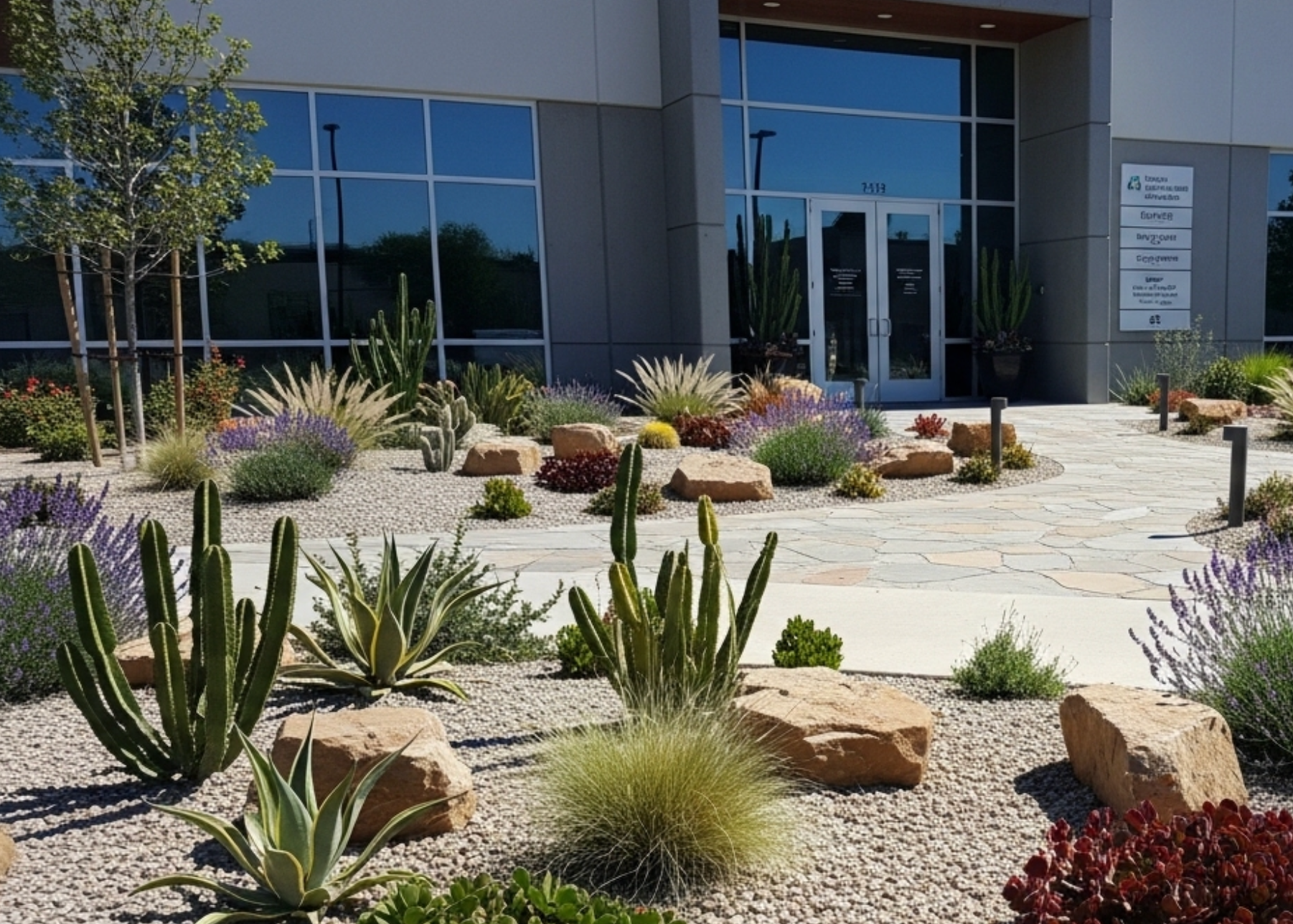
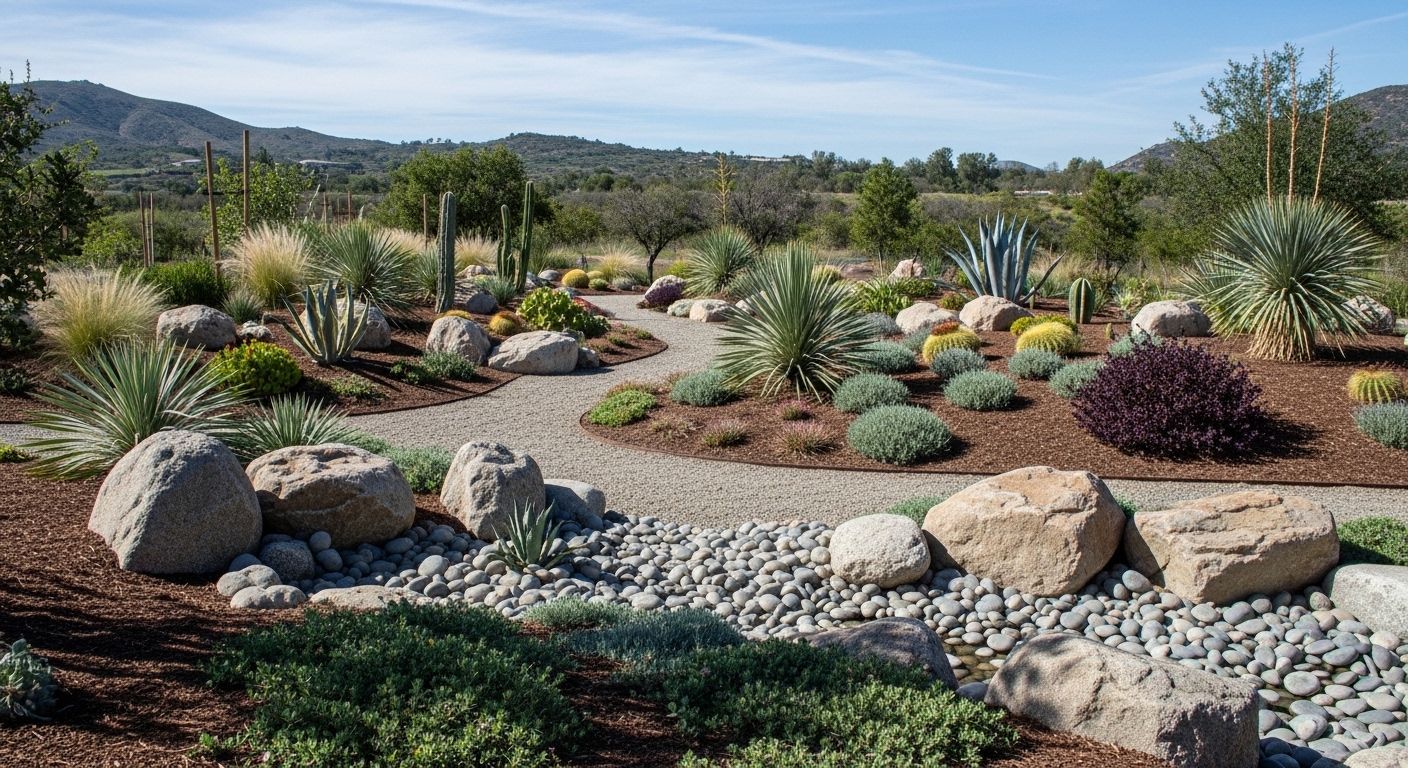
Beyond plant selection, we pay close attention to bed edges and borders themselves, using mulch, rock, or defined hardscape lines to keep beds tidy and prevent grass or weeds from creeping in. A well defined border does more than look clean. It reduces maintenance time significantly and keeps the drought tolerant planting looking intentional year round.