Backyards: Space You Actually Want to Use
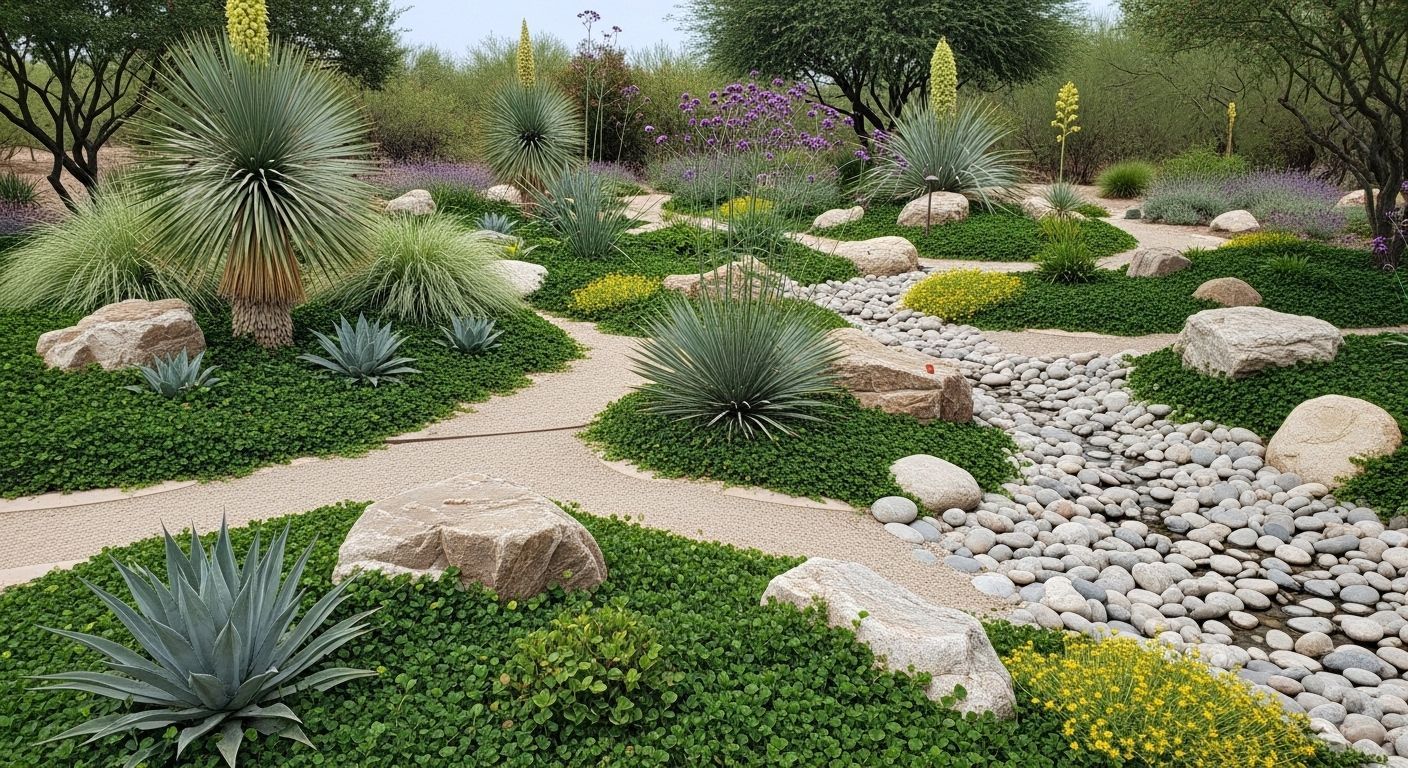
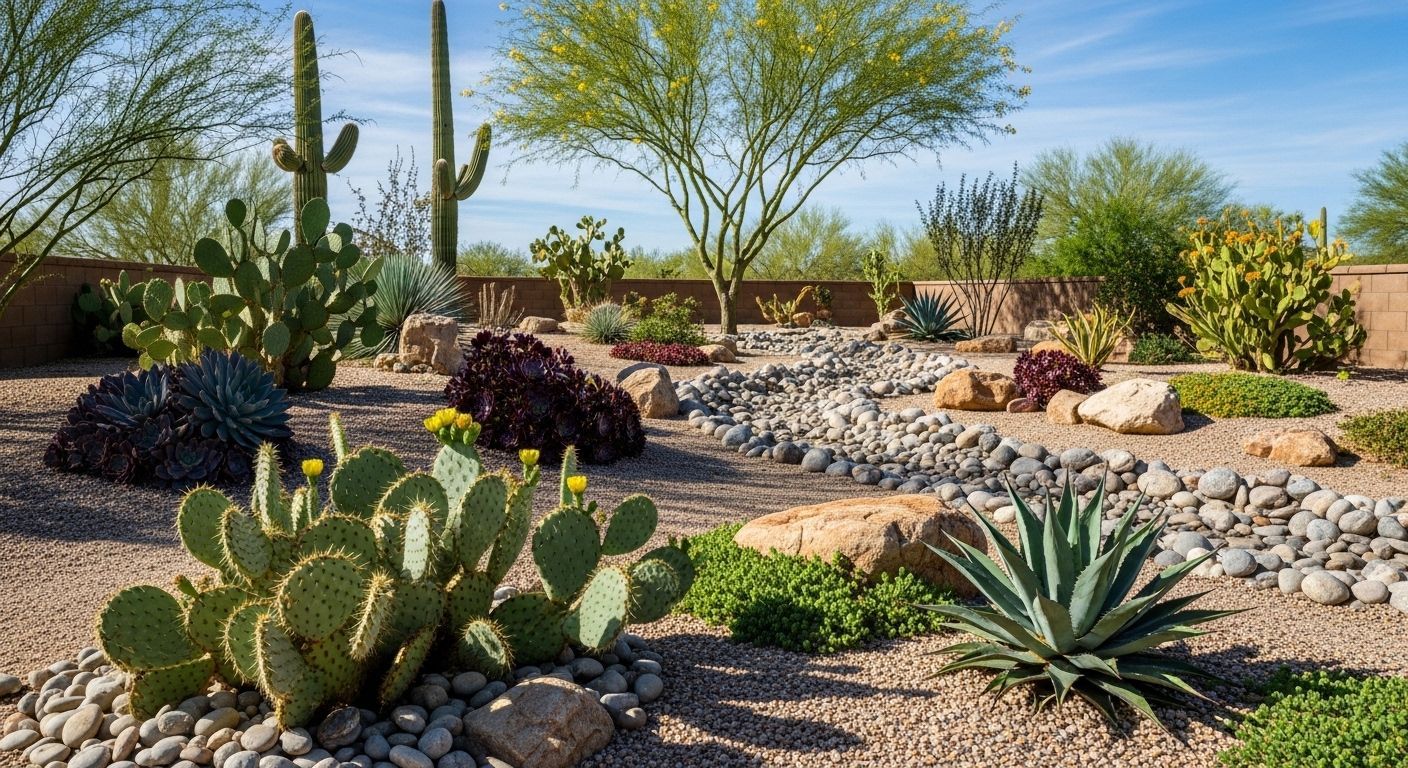
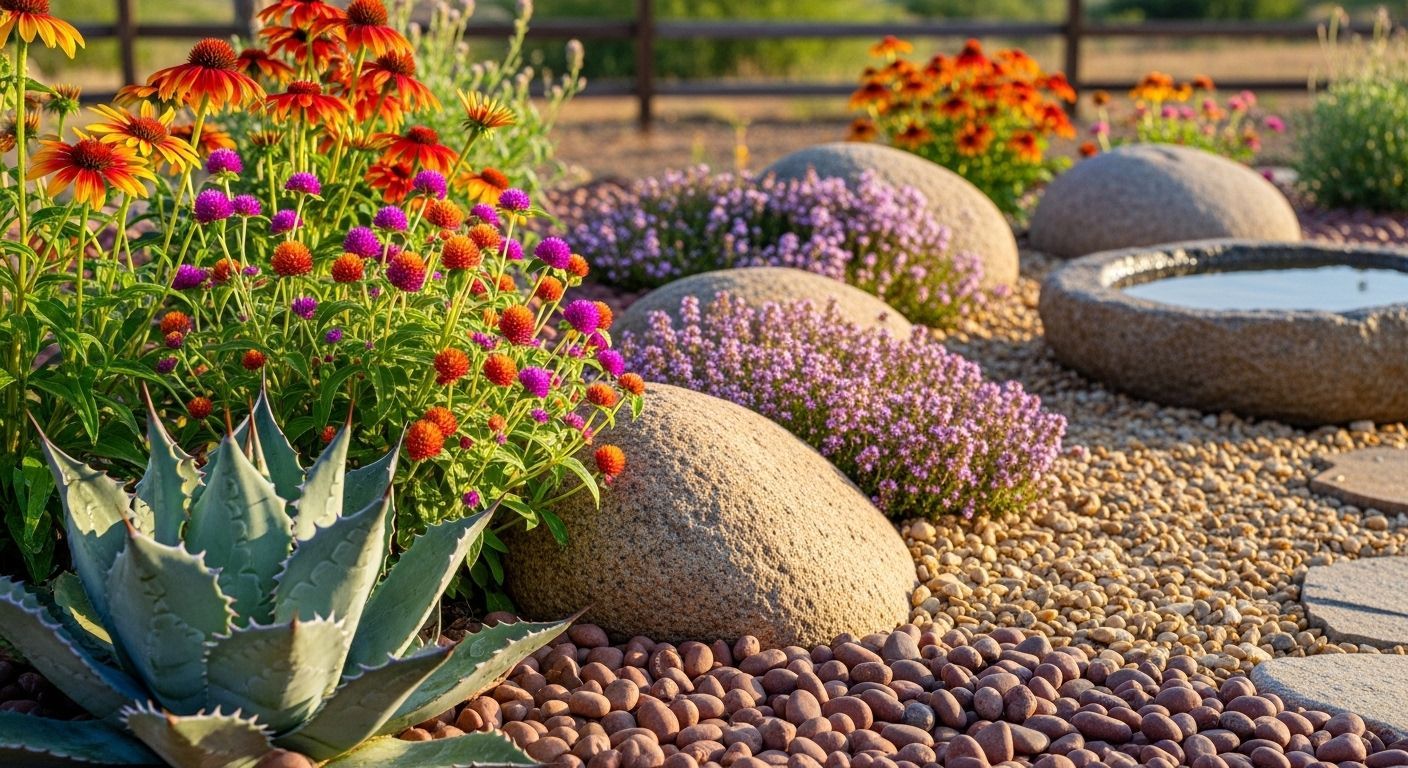
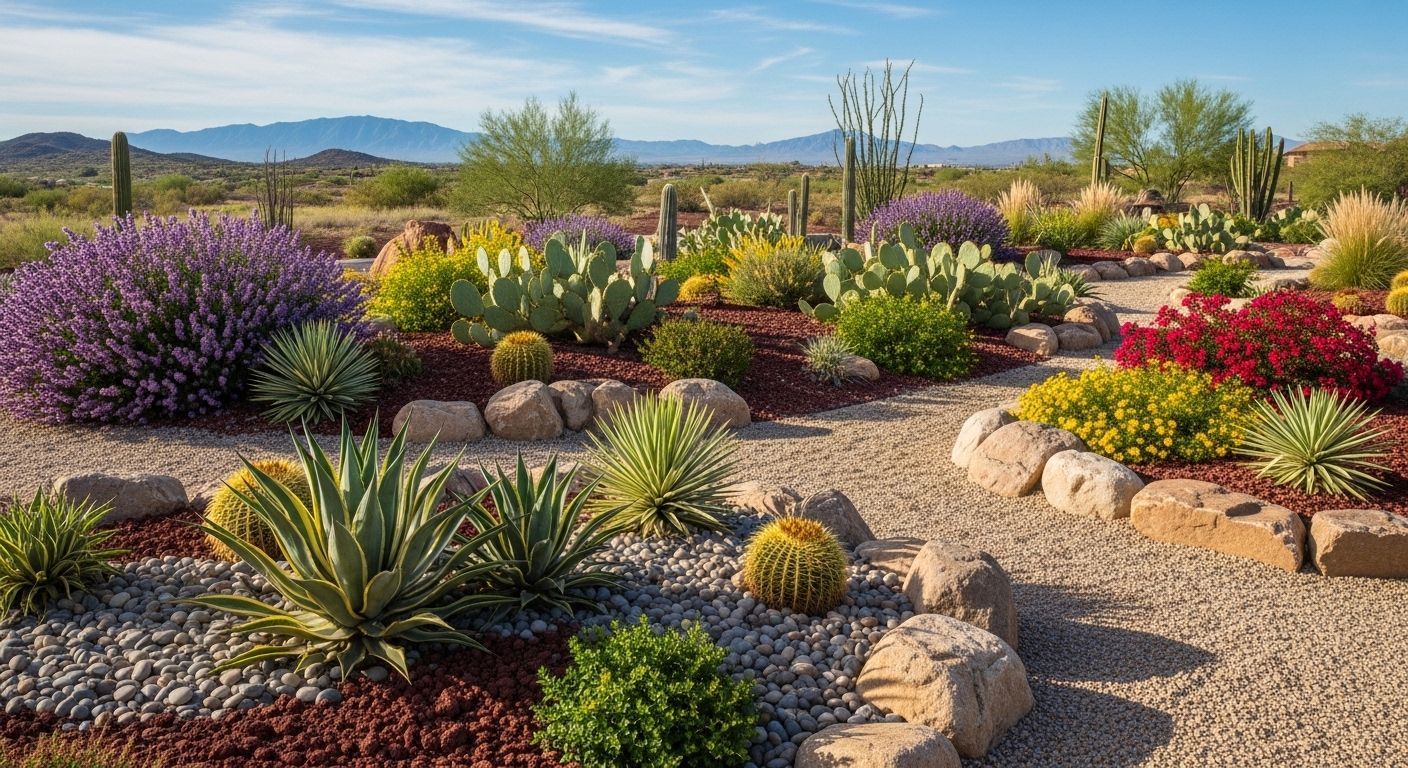
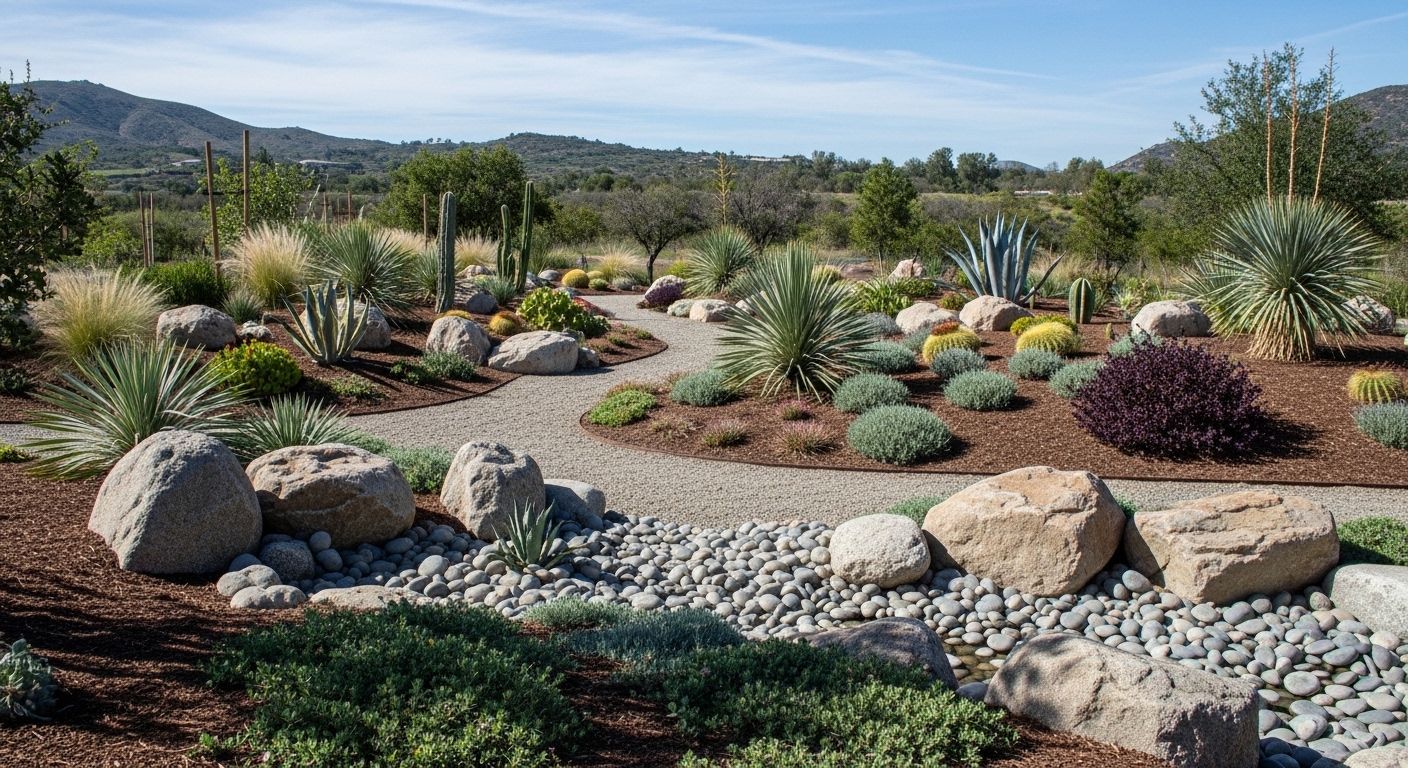
Backyards carry different demands. They need to hold up to daily use, support relaxation and entertaining, and still look good without constant intervention. Native backyard landscaping allows us to design around how you actually live, whether that means a pollinator garden near a patio, drought tolerant beds along a fence line, or a groundcover alternative replacing a lawn area that never gets much foot traffic anyway.
We also factor in the types of soils common to different parts of a property, since backyard conditions often vary more than homeowners expect, especially with shade patterns from mature trees or drainage differences near a home's foundation.
The Real Benefits, Before and After
The most obvious benefit of native landscaping is curb appeal, but the practical gains matter just as much. According to the U.S. Environmental Protection Agency's WaterSense program, landscapes designed with region appropriate, water efficient plants can reduce outdoor water use by 20 to 50 percent compared to conventional turf heavy yards. For most homeowners, that translates directly into a lower water bill every season.
Weeds are another common frustration that native landscaping addresses directly. Densely planted native beds leave far less open soil for weeds to take hold, and established plantings often outcompete invasive species naturally. Research from the Xerces Society and multiple university extension programs has also found that native plantings can reduce the need for fertilizer and pesticide applications by up to 60 percent once established, since these species have evolved alongside local soil organisms and pollinators for generations. Less fertilizing and fewer chemical treatments mean less time spent maintaining your yard and a healthier landscape overall.
An Investment That Adds Value
Native landscaping is not just a maintenance decision, it is a financial one. Studies from the National Association of Realtors have found that well maintained, professionally designed landscaping can boost a home's resale value by 10 to 15 percent. In a market where buyers increasingly ask about water use and sustainable features, a native front and back yard can be a genuine selling point down the road.